

Hibernation isn’t just “sleeping for a long time.” It’s one of the most extreme survival strategies in nature—a controlled shutdown of the body’s systems to survive harsh conditions so we are here for expalaining Human Hibernation Science.
In movies like Interstellar and Passengers, humans enter futuristic pods and wake up years later as if nothing happened.
But how close is that to reality?
Let’s break down the real science. You can see the movie based on Human Hibernation Science.
🧪 What is Hibernation? (Beyond the Nap)
Hibernation is a state of regulated hypometabolism, where the body drastically reduces its energy usage.
It’s a survival strategy used during periods of “energetic bankruptcy”—when the energy required to survive is greater than what the environment can provide.
Instead of starving, animals slow their bodies down to conserve energy whice is too different from Human Hibernation Science.
🐻 How Does It Work? The Torpor Cycle
Hibernation happens in cycles called torpor, involving extreme physiological changes:
🔹 Metabolic Suppression
Energy usage drops to as low as 2% of normal levels.
🔹 Bradycardia
Heart rate can fall from 200 beats per minute to just 5.
🔹 Thermometabolic Dissociation
Unlike humans (37°C), hibernating animals can lower body temperature to near freezing without dying.
This ability is what makes hibernation so powerful—and so difficult to replicate so we are here with the blog Human Hibernation Science to tell you final verdict.
🚀 Movies vs Reality: The Sci-Fi Illusion
In films like Passengers, characters wake up perfectly healthy after years of sleep.
In reality, humans would face serious challenges: Human Hibernation Science.

⚠️ Muscle & Bone Loss
Without movement, muscles and bones weaken rapidly.
Hibernating animals avoid this by recycling waste into protein—something humans cannot do.
❄️ The Cold Barrier
At low temperatures:
- Blood clotting increases
- Heart rhythm becomes unstable
- Organs begin to fail
Human biology simply isn’t built for deep hibernation.
🧬 Can Humans Ever Hibernate: Human Hibernation Science?

Scientists are actively working on it.
Organizations like NASA are researching Therapeutic Torpor—a controlled, mild version of hibernation.
Instead of extreme cooling, this involves reducing body temperature by 3–5°C.
Why this matters:
- Less food, oxygen, and water needed
- Reduced psychological stress in space
- Potential protection from radiation
This could make long-duration space travel far more practical.
🛰️ Real-Life Technology: Are We Already Building Hibernation?
We may not have sci-fi pods yet, but real technologies are already mimicking hibernation.
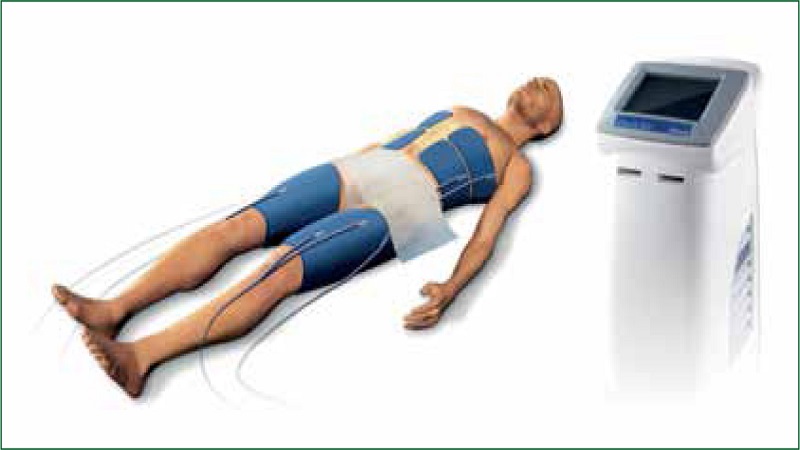
🏥 1. Therapeutic Hypothermia (TTM)
This is the closest real-world equivalent used in hospitals today.
🔬 How it works
Doctors cool the body to 32–34°C for 24–72 hours using:
- Cooling blankets
- Internal heat exchangers
🎯 Purpose
Protects the brain after:
- Cardiac arrest
- Stroke
🚀 Space use
Research supported by NASA aims to extend this to 14 days for Mars missions.
🧬 2. Synthetic Torpor (The Chemical Switch)
Since humans can’t naturally hibernate, scientists are trying to trigger it artificially.
🔬 The Human Hibernation Science.
Drugs targeting adenosine receptors may:
- Lower body temperature
- Slow metabolism
- Suppress shivering
⚡ Progress
Recent animal studies show controlled torpor is possible even in non-hibernating species.
🫁 3. Advanced Life Support Systems
One major challenge is oxygen control.
🔬 The solution
Modern spacecraft use:
- Closed-loop life support systems
- Adjustable oxygen levels
🚀 Development
Companies like SpaceX are developing systems that could support torpor environments.
🧠 4. Ultrasound-Induced Torpor
A cutting-edge, non-invasive approach.
🔬 How it works
Focused ultrasound targets the brain’s temperature control center.
⚡ Result
In lab experiments:
- Body temperature drops rapidly
- Metabolism slows instantly
This could be the future of safe human stasis.
⚠️ The Biological Barrier
The biggest obstacle is the brain’s hypothalamus, which controls body temperature.
When the body cools:
- It triggers shivering
- Increases energy use
- Fights against cooling
To achieve hibernation, scientists must find a way to turn off this response safely.
🔬 Advanced Science Insights
1. Adenosine
A key molecule that signals the body to slow down. Scientists are exploring ways to use it as a trigger for torpor.
2. Ischemia-Reperfusion Injury
When blood returns to cold tissues, it can cause damage. Understanding this could revolutionize treatments for heart attacks and strokes.
3. Brown Fat (Biological Heater)
Unlike regular fat, brown fat burns energy to produce heat—helping animals wake up from hibernation safely.
⚖️ Reality vs Sci-Fi
| Feature | Sci-Fi | Real Technology |
|---|---|---|
| Duration | Years/centuries | 3–14 days |
| Method | Instant freezing | Controlled cooling |
| Wake-up | Instant | Gradual, risky |
| Purpose | Interstellar travel | Medical + space research |
🌌 Final Thoughts can humans hibernate?
Hibernation is not just sleep—it’s a complete biological transformation.
While animals have mastered it, humans are still in the early stages of Human Hibernation Science understanding and replicating it.
But with advances in neuroscience, medicine, and space technology, the idea of human stasis may soon move from science fiction to scientific reality.
Chekout our more blogs:
Lucy movie explained: Can Humans Actually Unlock 100% Brain Capacity?